

High performance, flat panel military displays for mission-critical applications.
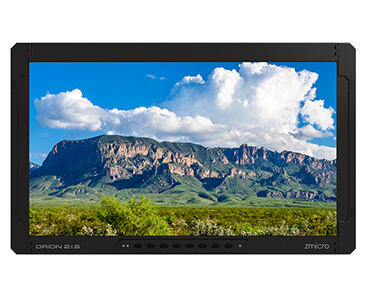
Orion displays excel in airborne and shipboard applications. The displays are lightweight, rugged and rack-mountable. The flexible electrical and hardware architectures support seamless customizations to adapt to your unique requirements.
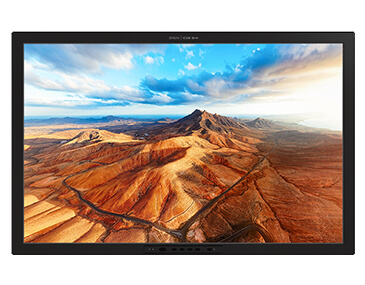
Designed for use in ground control stations (GCS) and other military shelters, IDS displays are ideal for multi-monitor display setups. They are lightweight with a thin bezel and are VESA compliant.
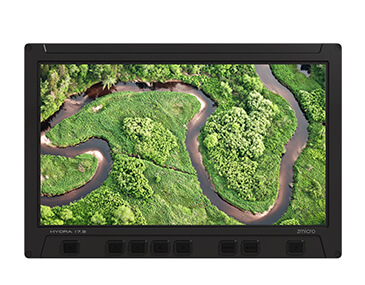
Hydra military displays are ultra-rugged and best suited for use in ground vehicle or other on-the-move applications with stringent environmental requirements. Our low-latency video controller makes this panel ideally suited for indirect vision applications.
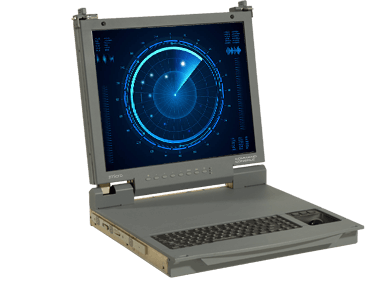
The Command Console EDT (Embedded Desktop) is an ultra-rugged LCD operating station designed for seamless desktop installation, delivering a low-profile display system with an integrated keyboard and trackball.

Gain confidence in your system by leveraging decades of military design expertise. We understand the environments unique to our military customers and leverage MIL-SPEC design, testing and certification into our displays to ensure your product works when you need it most.

Get a military display custom tailored to your application. Every program has different requirements and we can help specify the optical LCD stack and backlight design for your environment. An LCD display is the primary interface to your system, so let us help optimize the ultimate display for your team.

Get more value from your video with our real-time enhancement video (RTEV) capabilities. RTEV dramatically improves visibility in fog, rain, dust, smoke, underwater, low-light, brightlight and other degraded visual environments.
Learn More
Providing you flexibility for program-specific requirements, ZMicro offers its own video controllers designed to support military applications. Our controllers enable rapid customization for unique video sources and signals while extending product life-cycles by supporting COTS LCD changes without impacting product form, fit or function.
Learn MoreZMicro incorporates the latest commercial off-the-shelf (COTS) technology for its military displays and there’s always ample opportunity for customization. For example, if your application requires different backlights for NVIS or day-light readable requirements, a different optical coating stack, or a different touch-screen technology, ZMicro can adapt a display to provide the necessary features and capabilities.
Whether you are looking for an off-the-shelf product or a custom solution, we can help you meet your requirements. Contact us to speak with one of our solutions experts.
Let’s Talk